



Leather or fabric sofa?
 23 Feb 26
 How to Choose Between a Leather or Fabric Sofa
Choosing a sofa is a long-term decision that affects comfort, style, and daily living. Among the most common dilemmas homeowners face is whether to choose a leather or fabric sofa. Both materials have clear advantages, and the right choice depends on your lifestyle, environment, and expectations for maintenance and durability. Understanding these differences will help you invest confidently in a sofa that truly fits your home.
Lifestyle Comes First
Before comparing materials, consider how your sofa will be used. Homes with children, pets, or frequent guests place different demands on furniture than quieter households. A sofa that looks great but doesn’t match your daily habits may wear out faster or require more upkeep than expected.
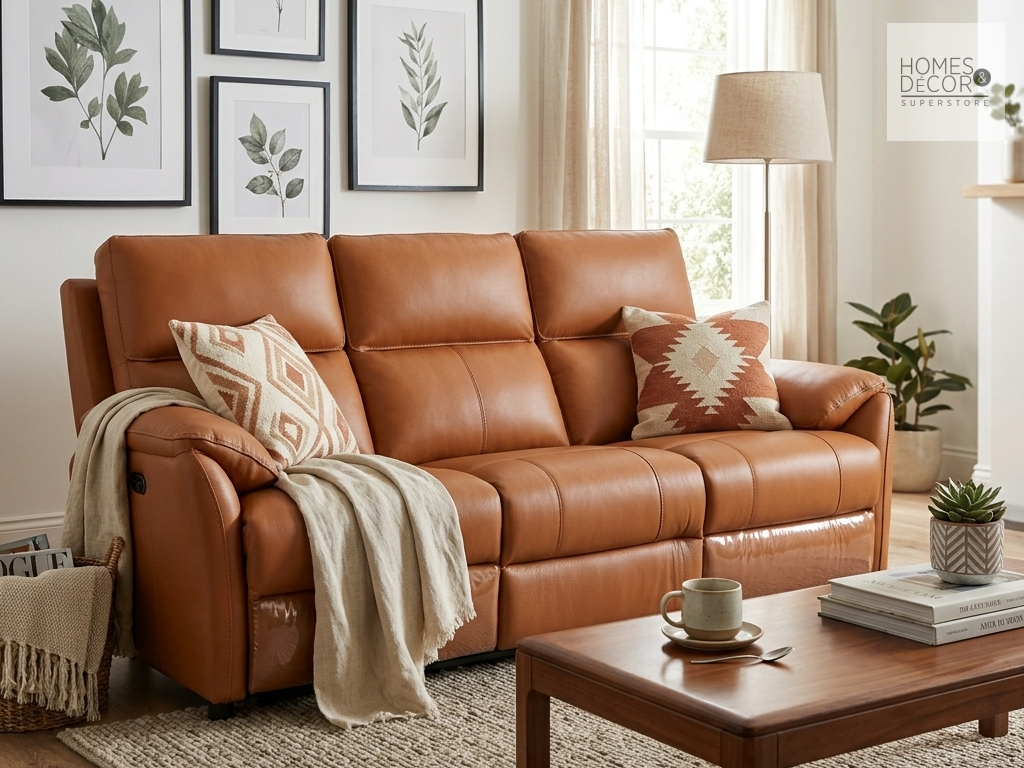
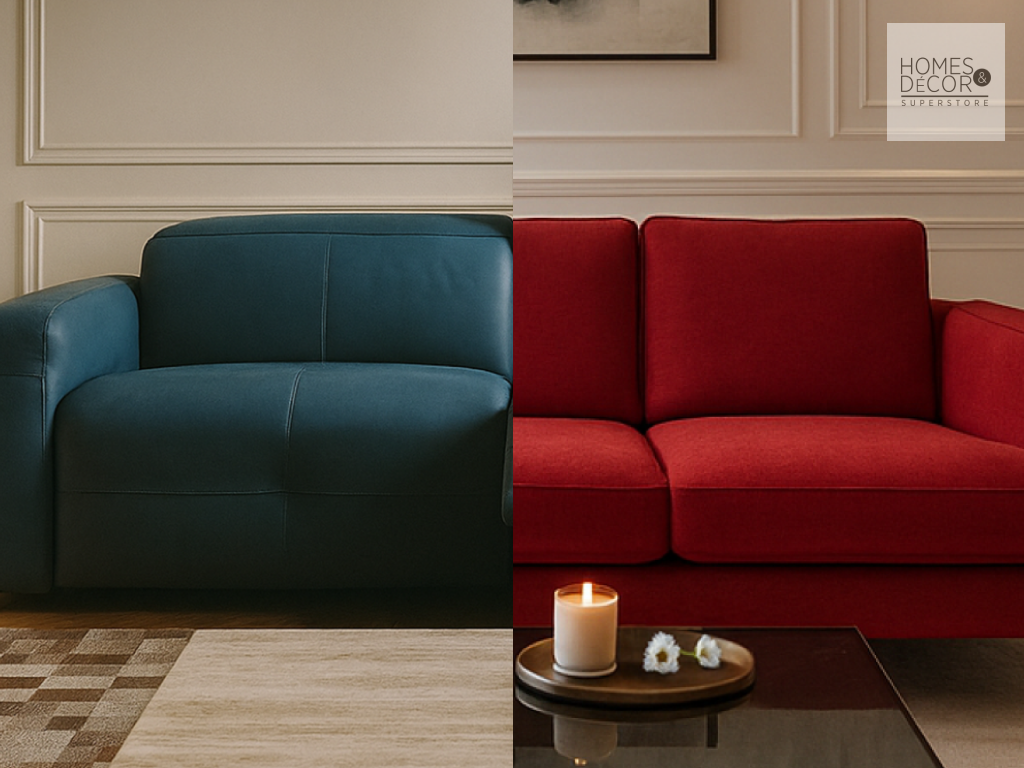
Leather sofas are often chosen for their durability and ease of cleaning. Spills can usually be wiped off quickly, making leather suitable for busy households. Fabric sofas, on the other hand, offer more softness and warmth, which many people find comfortable for long periods of lounging or family time.
Have a furball?
Leather sofas are often considered more resistant to pet-related messes. Pet fur does not cling to leather, making it easy to wipe or vacuum off. Leather does not absorb moisture or odours easily, making it pet-friendly. Fabric sofas, while softer, tend to trap fur and dander within the fibres, requiring more frequent cleaning. Unless it’s your cat that is making the decisions, we recommend you get the leather.
Comfort and Feel
Comfort is highly personal. Leather sofas tend to feel cool at first and adjust to body temperature over time. In warmer climates, this can be a benefit, although leather may feel slightly sticky if the room is not well ventilated. Fabric sofas usually feel cosy immediately and do not react as strongly to temperature changes, making them appealing for relaxed, casual settings.
Cushion construction matters as much as upholstery. A well-made fabric sofa with high-density foam can feel more supportive than a poorly constructed leather one. Always test seating depth, back support, and cushion firmness in person.
Durability and Longevity
When properly maintained, both leather and fabric sofas can last many years. Leather is known for aging gracefully—natural creases and patina can enhance its character over time. High-quality leather is resistant to tearing and does not trap dust as easily, which can be beneficial for allergy-sensitive households.
Fabric sofas vary widely in durability depending on the weave and fibre. Tightly woven fabrics, performance textiles, and modern stain-resistant options are far more resilient than traditional cotton blends. However, fabric may show wear, fading, or pilling sooner in high-use areas.
Maintenance and Care
Maintenance is a key deciding factor. Leather sofas generally require regular wiping and occasional conditioning to prevent drying or cracking. This maintenance is simple but must be done consistently.
Fabric sofas need more frequent vacuuming to remove dust and allergens. Spills should be addressed quickly, and deep cleaning is usually required periodically. Some fabric sofas come with removable, washable covers, which can be a major advantage for families.
Style and Design Flexibility
Fabric sofas offer greater variety in colours, patterns, and textures. They can easily complement different interior styles, from minimalist to eclectic. If you enjoy changing décor trends or want a statement piece, fabric provides more creative freedom.
Leather sofas tend to convey a timeless, refined look. They work well in modern, industrial, or classic interiors and often become a focal point due to their rich texture and finish. Neutral leather tones are especially versatile and age well aesthetically.
Climate Considerations
In humid or warm environments, ventilation and placement matter. Leather requires protection from direct sunlight and excessive heat, while fabric needs good airflow to prevent moisture-related issues. Choosing quality materials and maintaining proper indoor conditions will reduce problems regardless of upholstery type.
Making the Right Choice
There is no universally “better” option—only what suits your home best. If you value low-maintenance cleaning, durability, and a polished look, leather may be the right choice. If comfort, design flexibility, and a softer feel are priorities, fabric could be more suitable.