



Do sleeping aids carry side effects?

 9 Jun 26
 As sleep problems become increasingly common in Singapore, more consumers are turning to sleeping aids for relief. Long working hours, stress, excessive screen time, and irregular sleep schedules have contributed to rising insomnia complaints.
Pharmacies and online retailers in Singapore have reported growing demand for over-the-counter sleep supplements, especially synthetic melatonin products marketed as “natural” sleep solutions.
Pop two before bed?
Synthetic melatonin is currently one of the most widely used sleep aids in Singapore. Unlike prescription sleeping pills, melatonin is a hormone naturally produced by the brain to regulate the sleep-wake cycle. Synthetic melatonin supplements mimic this hormone and are commonly used to manage jet lag, mild insomnia, and disrupted sleep patterns. Singapore’s healthcare providers describe synthetic melatonin as a short-term treatment for insomnia that should ideally be taken one to two hours before bedtime.
Clinical research suggests that even mild sleep aids can produce side effects, especially with prolonged or excessive use. Doctors worry that prolonged intake of synthetic melatonin might affect the body’s production of natural melatonin in the long run.
Short-term side effects of melatonin are relatively well documented. Some users report reactions such as headaches, dizziness, nausea, vivid dreams, irritability, and daytime drowsiness. Others report reduced alertness the next morning, creating risks for driving or operating machinery. These side effects are generally considered mild and often disappear after discontinuing use.
Not recommended for long term use
Prescription sleeping pills carry additional risks. Drugs such as benzodiazepines and “Z-drugs” like zolpidem are designed to induce sedation more aggressively than melatonin. While effective for short-term insomnia, they may cause dependency, memory impairment, sleepwalking, and withdrawal symptoms after long-term use. Medical experts typically recommend limiting these medications to brief treatment periods because tolerance can develop over time.
The bigger concern among researchers today involves long-term use of melatonin itself. Although melatonin is widely regarded as safer than prescription sleeping pills, scientists admit that long-term evidence remains limited. A major 2023 systematic review published in eClinicalMedicine examined melatonin use in children and adolescents and found increased rates of non-serious adverse events among users. Researchers also noted uncertainty surrounding possible long-term effects on puberty and hormonal development after extended use lasting several years.
Still an emerging science
As this trend is rather new, we don’t yet have enough compelling evidence for the medical body as a whole to agree on long-term side effects of sleeping aid usage.
Sleep specialists continue to emphasize that sleeping aids should not replace healthy sleep habits. Most clinical guidelines recommend improving sleep hygiene first — including maintaining consistent sleep schedules, reducing screen exposure at night, limiting caffeine intake, and managing stress. Cognitive Behavioral Therapy for Insomnia (CBT-I) is increasingly viewed as the most effective long-term treatment for chronic sleep disorders.
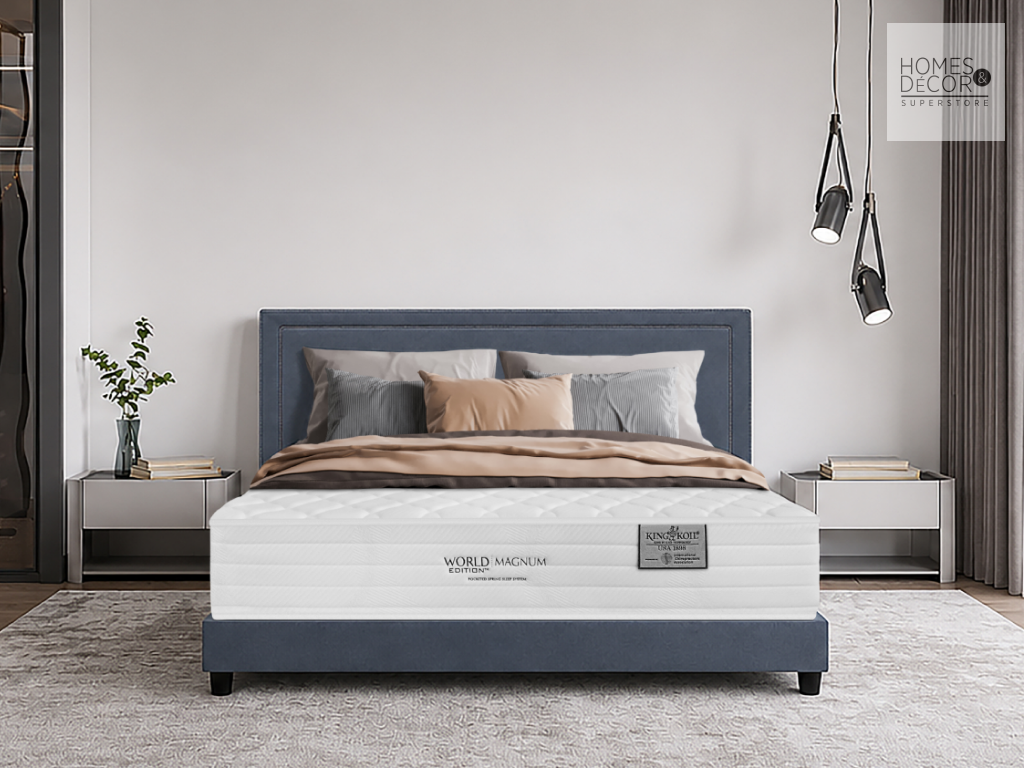
Key takeaway: use it if you must. Use it as a short term solution. You might use to sleep better tonight if you just had come from a holiday and need to work tomorrow. You should use it if you are trying to reset your circadian rhythm. Other than that, you should really rely on your body’s own melatonin and circadian rhythm to fall asleep. A good bed that is comfortable and supports your body properly will go a long way towards sleeping well too, so do visit our stores if it’s time for a new bed.