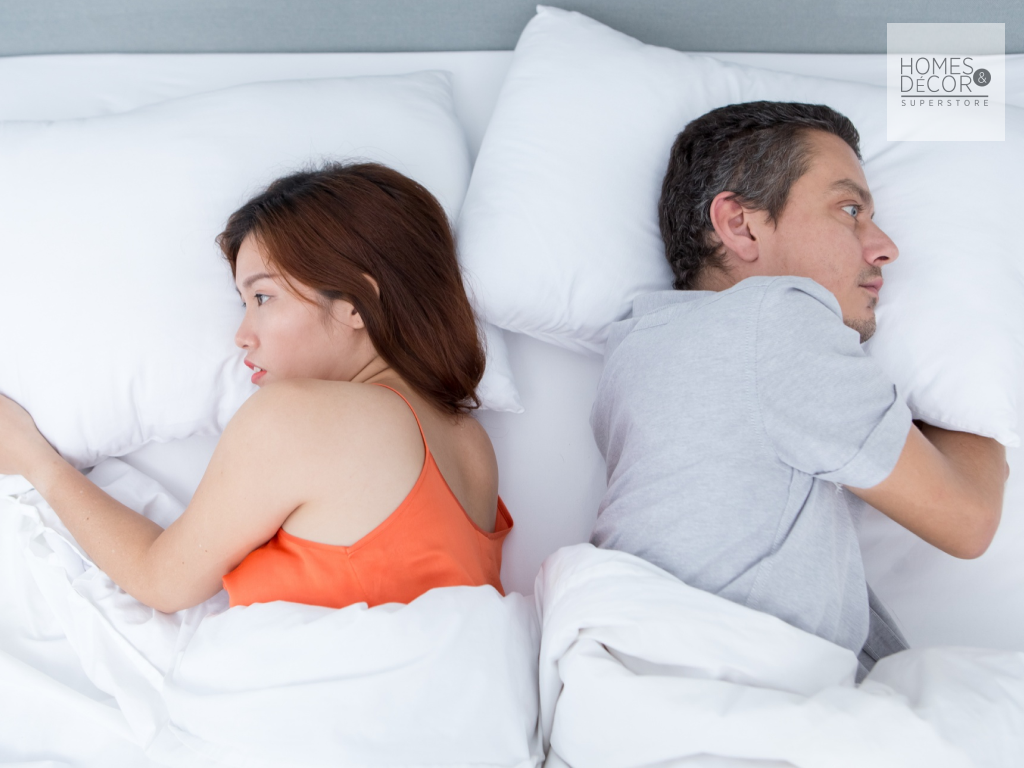




Sleep and sports performance
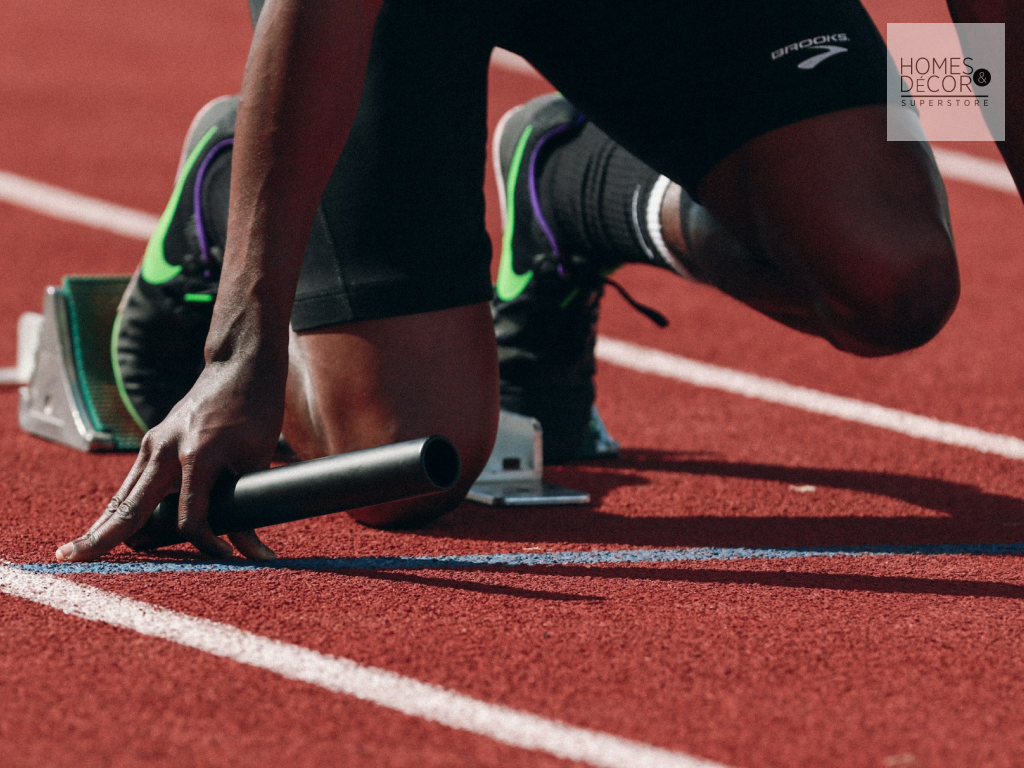
 17 Apr 26
 Sleep is a critical physiological process that directly influences athletic performance, recovery, injury risk, and cognitive function in sport. Top peer-reviewed scientific journals in the United States shows that both the quantity and quality of sleep shape key performance outcomes across endurance, strength, skill execution, and mental focus. We explore how sleep affects sports performance, what happens when athletes don’t get enough, and why coaches and athletes should prioritize sleep as part of training.
Sleep: A Cornerstone of Athletic Performance
Sleep is a biologically active state during which the body carries out essential functions for athletic success. These include muscle repair, hormonal regulation, memory consolidation for skill learning, and immune support. While training and nutrition are obvious pillars of performance, sleep is equally vital — so much so that athletes who ignore it may be limiting their potential and increasing injury risk.
Physical Performance: Endurance, Strength, and Speed
One of the clearest patterns emerging from peer-reviewed research is that sleep deprivation undermines multiple aspects of physical performance. Systematic analyses show significant declines in:
- Aerobic endurance — athletes show reduced performance over sustained effort when sleep-deprived.
- Muscular strength and explosive power — strength-based markers and power output worsen with insufficient sleep.
- Speed and motor control — performance in tasks requiring quick movement and coordination declines.
- Skill control — sleep loss negatively affects sport-specific tasks such as ball handling and precision movements.
Athletes under sleep-restricted conditions also report higher ratings of perceived exertion (RPE) — meaning they feel that exercise is harder than when well-rested, even if objective outputs are similar.
Classic controlled studies of sleep deprivation show that one night without sleep can slow endurance performance, increase perceived effort, and worsen mood and attention — all factors that impede peak performance.
Cognitive and Neuromuscular Impairments
Athletic performance isn’t only physical — decision-making, reaction time, and alertness are crucial, especially in fast-paced sports. Research consistently finds that insufficient sleep impairs cognitive function, including slower reaction times and reduced vigilance, which directly affects sport performance and increases the likelihood of errors or injuries.
In one study, short-term sleep deprivation did not affect anaerobic power (like peak strength output) but significantly worsened reaction time in athletes, highlighting that even when physical capability remains intact, mental processing and response speed suffer.
Recovery, Injury Risk, and Overtraining
Sleep plays a central role in recovery processes, including muscle repair, inflammation regulation, and replenishment of energy stores. Sleep restriction disrupts hormonal balance — elevating stress hormones like cortisol while reducing anabolic hormones such as testosterone and growth hormone — which can slow recovery and muscle adaptation after training.
Poor sleep is also linked with a greater risk of injury. Without adequate restorative sleep, microtrauma from training accumulates more readily, neuromuscular control worsens, and decision-making slows, increasing athletes’ susceptibility to strains, sprains, and more serious injuries during competition or practice.
Sleep Extension: Boosting Performance Through More Sleep
While avoiding sleep loss is foundational, research also explores the benefits of sleep extension — intentionally increasing sleep beyond typical amounts. Studies in collegiate athletes indicate that extending nightly sleep can lead to faster sprint times, improved accuracy in skill-based tasks (such as basketball shooting or tennis serving), better reaction times, and improved mood and energy.
Systematic reviews of sleep interventions in athletes — including increasing total sleep time and napping — suggest that these strategies are among the most effective approaches to improve subsequent physical and cognitive performance. While evidence quality varies, overall patterns show that giving athletes the opportunity to achieve more sleep is likely beneficial for performance, especially in sports demanding precision, endurance, and cognitive agility.
Sleep Challenges in Athletic Populations
Despite clear benefits, many athletes struggle with poor sleep due to training schedules, travel across time zones, pre-competition anxiety, and the demands of balancing sport with academic or professional life. Elite athletes often fail to achieve optimal sleep durations, which threaten performance, recovery, health, and long-term progress.
Furthermore, sleep needs may vary by sport and individual. Sports requiring high tactical and technical demands (e.g., team sports, racket sports) may be more sensitive to sleep loss than others, highlighting the need for personalized sleep strategies.
What This Means For Your Own Training
Given the robust evidence linking sleep and sports performance, you should
- Strive for 8.5 hours of quality sleep per night, with some athletes benefiting from more when training loads are high.
- Implement sleep extension and strategic napping during heavy training or competition periods.
- Monitor sleep patterns and address sleep issues like insomnia or circadian disruptions.
- Use sleep tracking and recovery metrics to tailor training loads and optimize performance.
Sleep should be treated as a performance enhancer, not an afterthought.
Conclusion
In sport, where margins of victory are often razor-thin, sleep is a powerful but undervalued determinant of performance. Ample evidence shows that insufficient sleep impairs physical output, cognitive decision-making, recovery, and injury resilience — while sleep extension and improved sleep quality can bolster athletic outcomes. Athletes, coaches, and sports science professionals should integrate sleep optimization into training regimens to unlock peak performance potential.
References
- Mah CD, Mah KE, Kezirian EJ, Dement WC. The effects of sleep extension on the athletic performance of collegiate basketball players. SLEEP. 2011;34(7):943-950.
- Silva AC, et al. Sleep extension in athletes: what we know so far. PubMed. 2021.
- Effects of sleep deprivation on sports performance and perceived exertion: systematic review. PubMed.
- Sleep and Athletic Performance: foundational implications for physical, cognitive, and health outcomes. PubMed.
- Sleep deprivation impacts endurance cycling performance and heart rate indices. PubMed.
- Narrative findings on athletes’ sleep patterns and performance. BMJ Sport Med Review.
- Sleep deprivation and increased risk of sports-related injuries. AACSM synthesis.
- Systematic review of sleep interventions for athletic performance. Springer Nature / Sports Med Open.